How much does attic insulation cost in Midwest City?
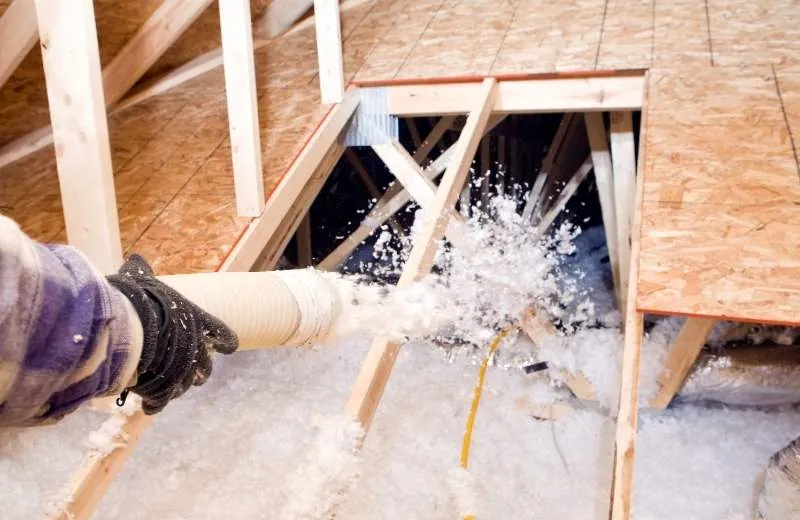
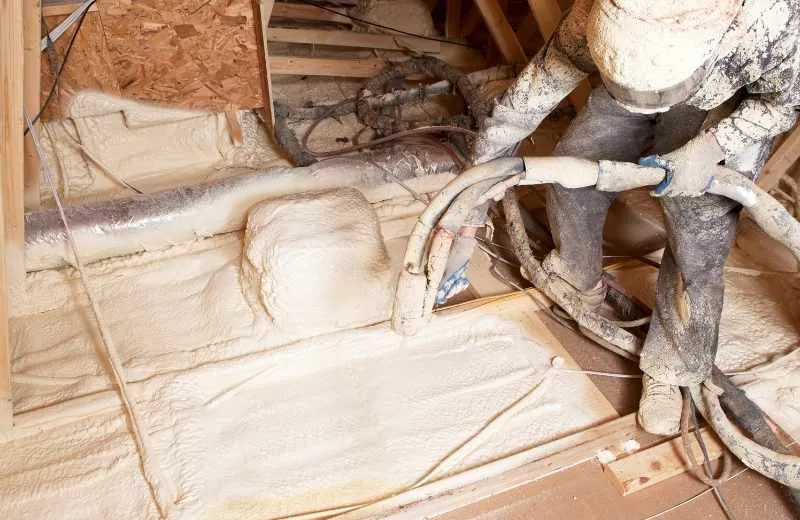
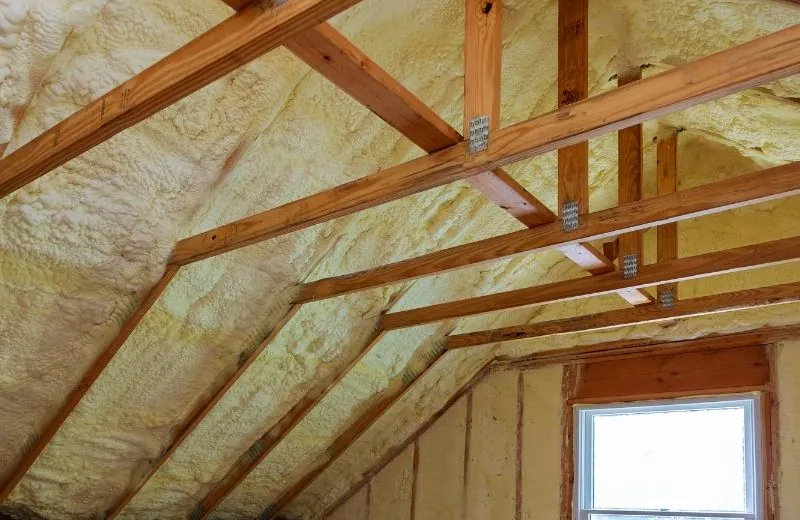
For a typical 1,200–1,600 sq ft Midwest City attic, adding blown-in insulation with air sealing usually runs about $1,800 to $3,500. If old insulation has to come out first because of hail-leak water, rodents or mold, expect roughly $4,000 to $7,000. Spray foam that turns the attic into a conditioned space costs more, often five figures for larger homes. The biggest variables are square footage, the R-value you're aiming for, how much existing insulation is usable, and how many air leaks need sealing. We give you written pricing after the inspection, and financing is available.
How much insulation should my attic have in Oklahoma?
Midwest City sits in IECC Climate Zone 3A. For existing homes, DOE and ENERGY STAR guidance recommends attic insulation of about R-30 to R-60, which works out to roughly 10 to 17 inches of blown fiberglass, depending on the product. Many mid-century homes in Midwest City, Del City and Spencer have 2 to 4 inches, closer to R-8 to R-12. We usually recommend R-38 to R-49 as a good balance of cost and savings, especially when your ducts and air handler are in the attic.
Do I need a permit to add insulation in Midwest City?
Retrofit attic insulation in an existing home generally doesn't require a building permit in Midwest City or most metro cities. Rules can vary, though, and they can change. New construction, additions and remodels that open walls do require permits and inspections through your city, whether that's Midwest City, Del City, Oklahoma City, Edmond or Moore. Spray foam also has to meet IRC thermal- and ignition-barrier requirements. In Heritage Hills, Mesta Park or Nichols Hills, interior work is usually fine, but exterior drill-and-fill access may get extra scrutiny. We'll tell you up front if your project needs a permit.
How long does an insulation installation take?
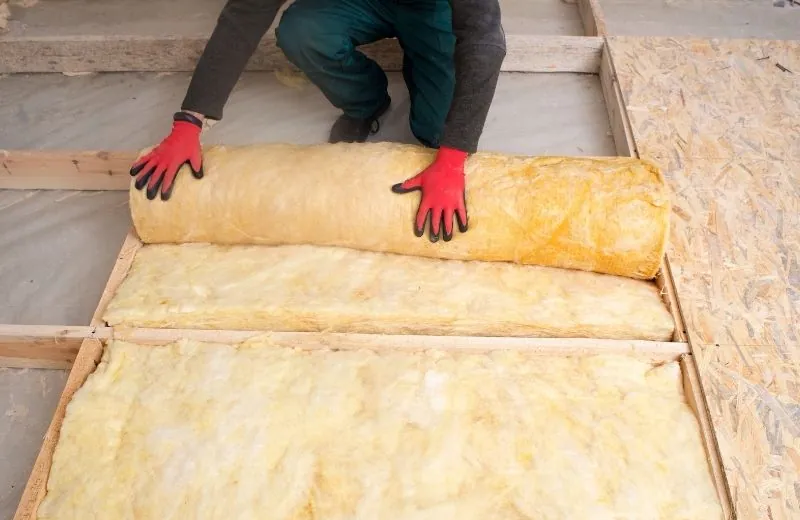
Most attic insulation jobs take one day, and many are done in four to six hours. If we're removing old insulation first, plan on one to two days. Crawl-space encapsulation and spray foam projects usually take one to three days, depending on size, and metal shops depend on square footage. In summer, we start attic work early in the morning, before attic temperatures climb. We'll give you a clear timeline when we quote, and the inspection itself takes about an hour.
Should I remove old insulation or just add more on top?
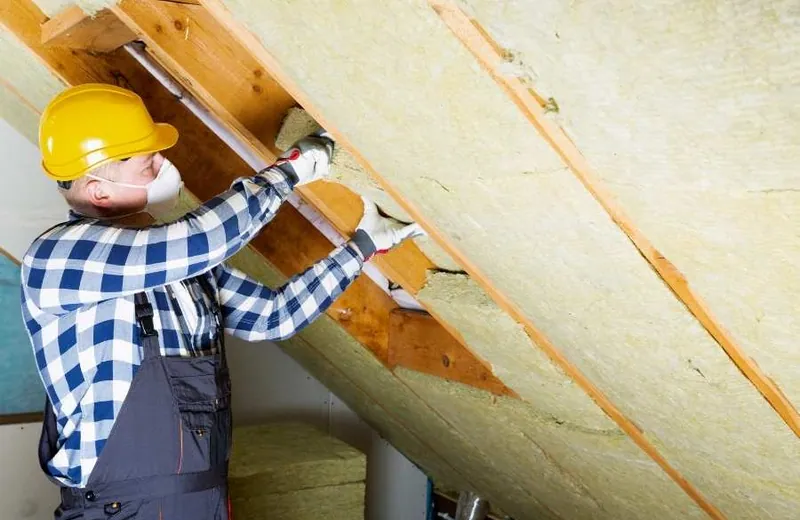
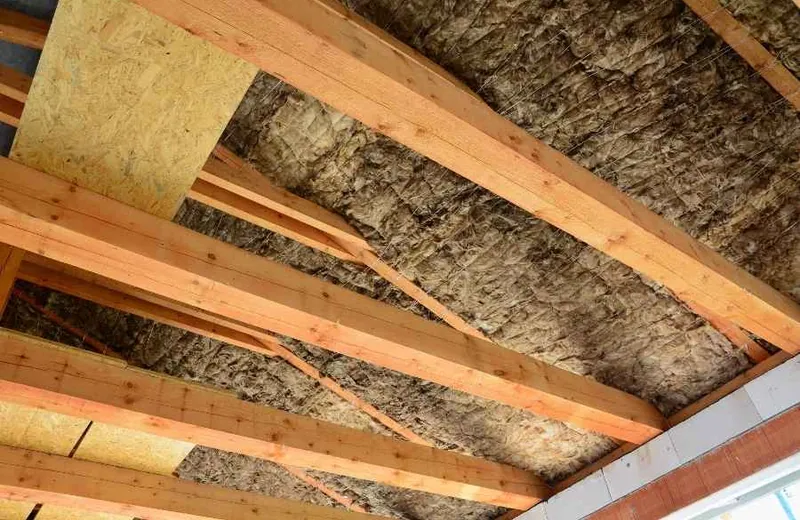
If your existing insulation is dry, clean and simply thin, adding more on top is usually the smart, budget-friendly choice. Remove it when it's been soaked by a hail or roof leak, contaminated by rodents, moldy, or packed with roofing debris. Covering damaged insulation traps odors and moisture and hides problems. One important exception: if your attic has vermiculite, which is a pebbly, gray-brown material common in older homes, don't disturb it. It needs asbestos testing first. We'll flag it during the inspection.
When should I upgrade my insulation?
Act soon if your AC runs nonstop on 95°F days, upstairs or back rooms stay hot, ceilings show water stains, you hear rodents, or pipes froze during a past cold snap like February 2021. Those are signs of real problems, not just inefficiency. Spring is a great time to schedule, before summer peaks and after hail season reveals roof damage. Fall works well before winter. If you've just replaced your roof after a hail claim, have your attic checked right away, since insulation is often disturbed or left wet.
How can I prevent insulation problems in the future?
Start with air sealing and soffit baffles, so wind can't push loose-fill around and moist air can't leak in. Keep your roof in good shape and inspect the attic after major hail storms. Seal rodent entry points around eaves, vents and foundation gaps, especially since clay soil keeps opening new cracks. Ask roofers, cable installers and HVAC techs to stay on walkways instead of crushing the insulation. In crawl-space homes, a vapor barrier and insulated pipes help prevent moisture and freeze damage.
Is spray foam better than blown-in insulation?
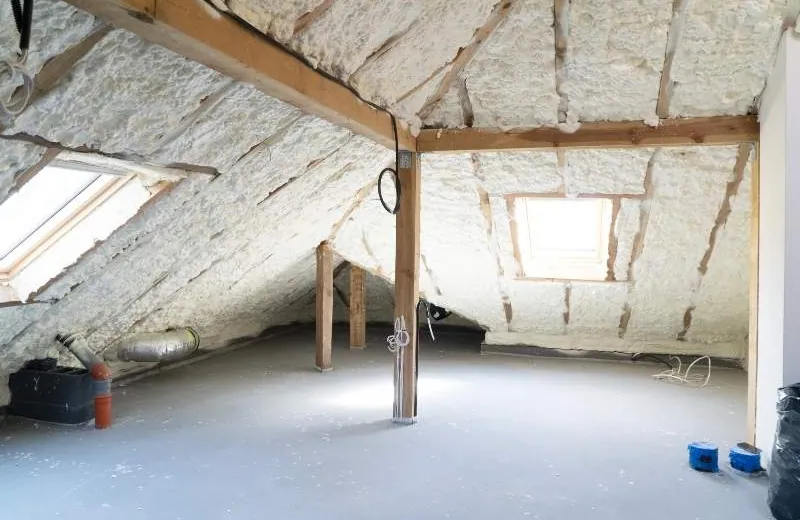
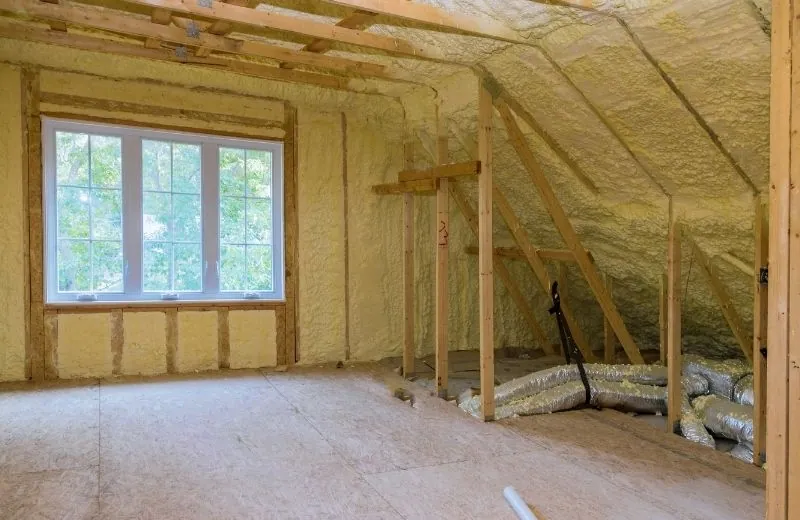
It depends on the building. Blown-in fiberglass or cellulose is the best value for most standard attics in Midwest City's mid-century homes, especially when it's paired with good air sealing. Spray foam costs more but air-seals and insulates in one step. It's ideal for conditioned attics in Edmond or Nichols Hills homes, rim joists, and metal shops and barndominiums in Choctaw or Harrah, where closed-cell foam stops condensation. We'll show you both options and their costs side by side.